


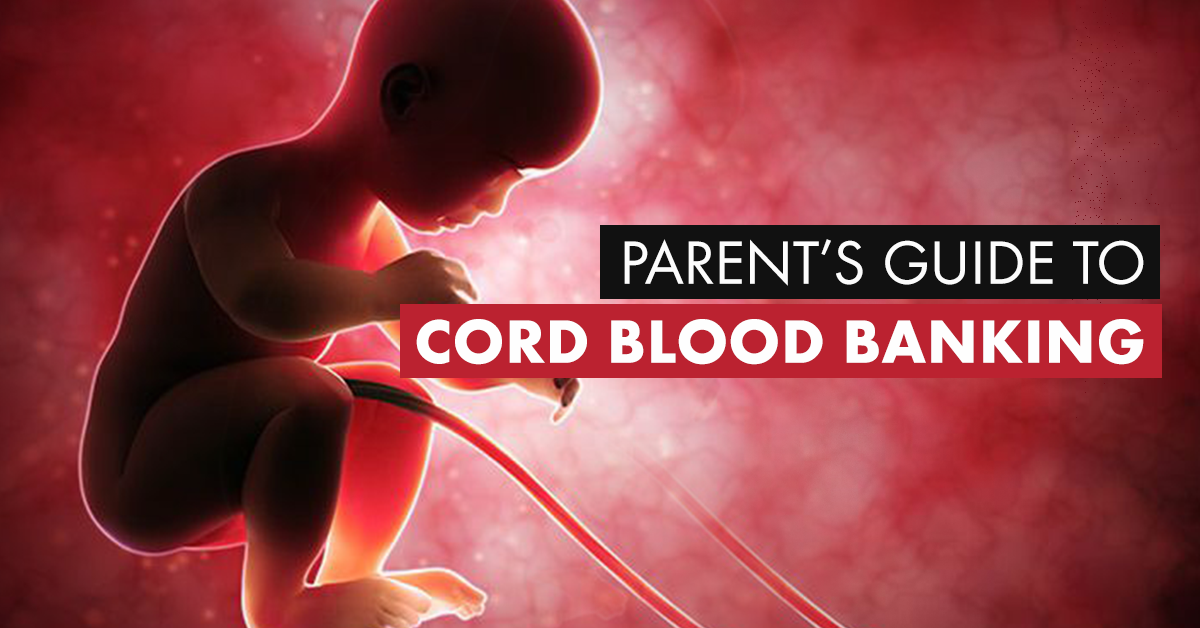
In the last few years, cord blood banking has quickly gained popularity as a promising advanced regenerative treatment and an evolving research topic. Stem cells or cord blood cells can be used in modern medicine, offering hope for several incurable diseases. This sudden popularity has made many first-time parents choose stem cell banking as a proactive step to safeguard their baby’s future health for years to come.
However, with the growing awareness comes a flood of information, making it important for first-time parents to understand the meaning, process, and benefits of cord blood banking. And whether it is the right choice for their baby and family.
Read along, as we break down everything you need to know about cord blood banking, simply!
What is Cord Blood Banking & Why Is It Important?
Umbilical cord blood is a powerful biological material that remains in the umbilical cord and placenta after the birth of the baby. This blood is considered a valuable source of stem cells with high potential to divide, replicate, and self-renew over long periods to repair tissues. Once collected at birth, these stem cells are stored by a specialist cord blood bank.
Cord blood banking is the process of collecting and storing the stem cell-rich blood. These stem cells can treat more than 80 diseases, including leukaemia, lymphoma and several blood disorders. Stem cell collection is a painless procedure performed immediately after delivery.
The importance of cord blood banking includes:
-
They are a valuable and readily available source of stem cells if and when needed for transplantation
-
Stem cells in cord blood are considered more tolerant, i.e., they require less precise matching compared to stem cells from the bone marrow
-
Cord blood banking is easy to procure and use when needed, as it is frozen and secured for years
-
The stem cells collected from a baby can also help parents, siblings and grandparents
What Can Cord Blood Be Used For?
According to the FDA, a newborn’s umbilical cord blood cells can be used to treat over 80 diseases. While that is a compelling reason to bank cord blood cells, there are a few more reasons that can help you make an informed decision about cord blood banking for your family.
-
FDA approves using umbilical cord blood stem cells to treat 3 common childhood cancers, including 4 types of bone marrow cancers, leukaemia, Hodgkin’s and non- Hodgkin’s lymphoma. Apart from these, it can also treat 33 other blood cell proliferations and 17 inherited metabolic disorders.
-
Umbilical cord blood stem cells can also play a huge role in the recovery of these diseases.
-
They can help replenish the blood cells and rebuild the depleted immune system after treatments like chemotherapy and radiation.
-
Among cancers in children, like eye cancer, brain tumours, and neuroblastomas, a child’s own stem cells have been approved for recovery and replenishment.
Who Should Consider Cord Blood Banking?
Cord blood banking is recommended for families who have known treatable diseases like sickle cell anaemia, leukaemia, etc. While most parents do not need their child’s cord blood, it may be considered for potential use in treating malignant disorders and diseases in their future.
The following people can benefit the most from cord blood banking:
-
Families with a child or immediate family member suffering from a treatable disease like bone marrow failure or certain cancers
-
Families with a high risk of genetic conditions that can be treated with a cord blood transplant
-
Parents who have had children with diseases that may need stem cell therapies
-
Any parent who wishes to safeguard the future of their child
Things To Check before Choosing a Cord Blood Bank
Once you decide to go for cord blood banking, you must choose a cord blood bank that checks off the following list. From verified accreditation to successful transplant records and technology used, several key factors ensure whether the cord blood bank is a good choice.
Here is a checklist of factors that you can use to evaluate:
-
Years of experience, along with a satisfactory pool of customers, showcase their reliability
-
Advanced technology is used to process and preserve stem cells
-
Accreditations by reputable certifications like NABL, AABB, CAP, DCGI, etc., which assure they adhere to strict guidelines
-
End-to-end customer support and transparent policies
-
Safe storage facilities that are monitored round the clock with proper backup systems
-
Unlimited sample retrievals, maybe free of cost each time for the entire family
Final Thoughts- Is It Worth It?
Cord blood banking isn’t just a medical decision; it is an emotional one that is rooted in hope and preparedness for the future. While the chances of using the stored stem cells may vary, the potential they hold in treating life-threatening diseases, whenever they come, cannot be overlooked. Especially for first-time parents in India, the importance lies in making an informed choice. With evolving medical research, stem cell therapies are only expected to expand in scope. Cord blood, which was once considered medical waste, is now a powerful resource that can play a vital role in protecting a baby’s future.
By choosing a trusted partner like LifeCell, parents can ensure that this once-in-a-lifetime chance is preserved with international standards of safety, technology and care, giving their child a secure start to life.